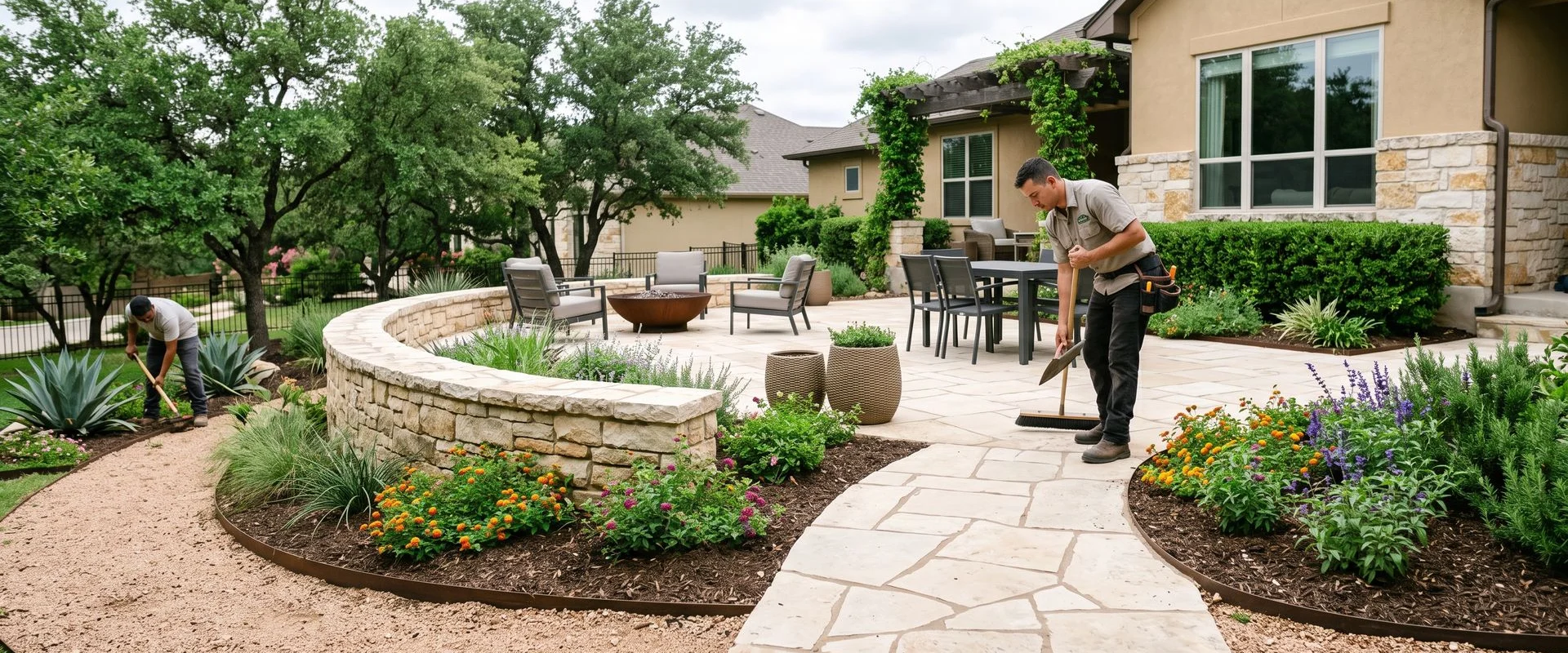
Hardscaping & Patios in Austin TX
A guide to hiring hardscaping and patio contractors in Austin: what the work involves, what separates good crews from bad ones, and how our rankings work.
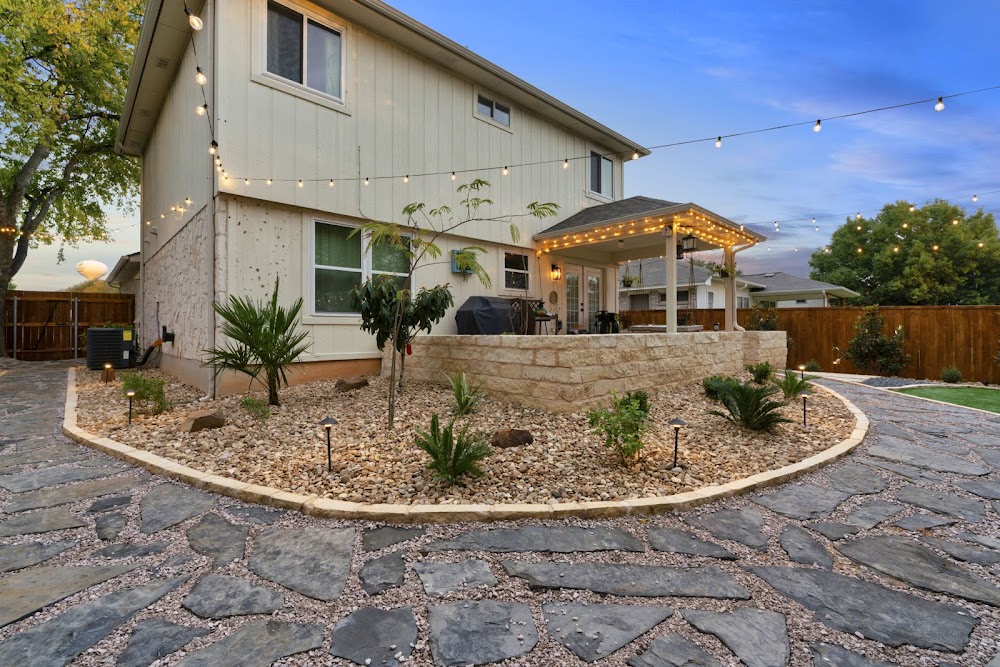
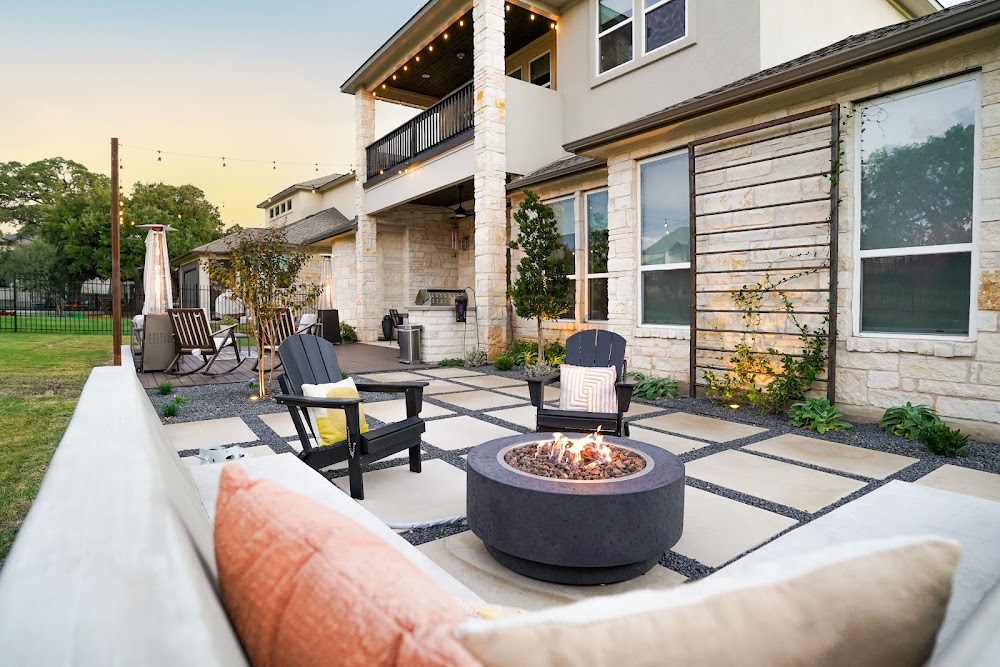
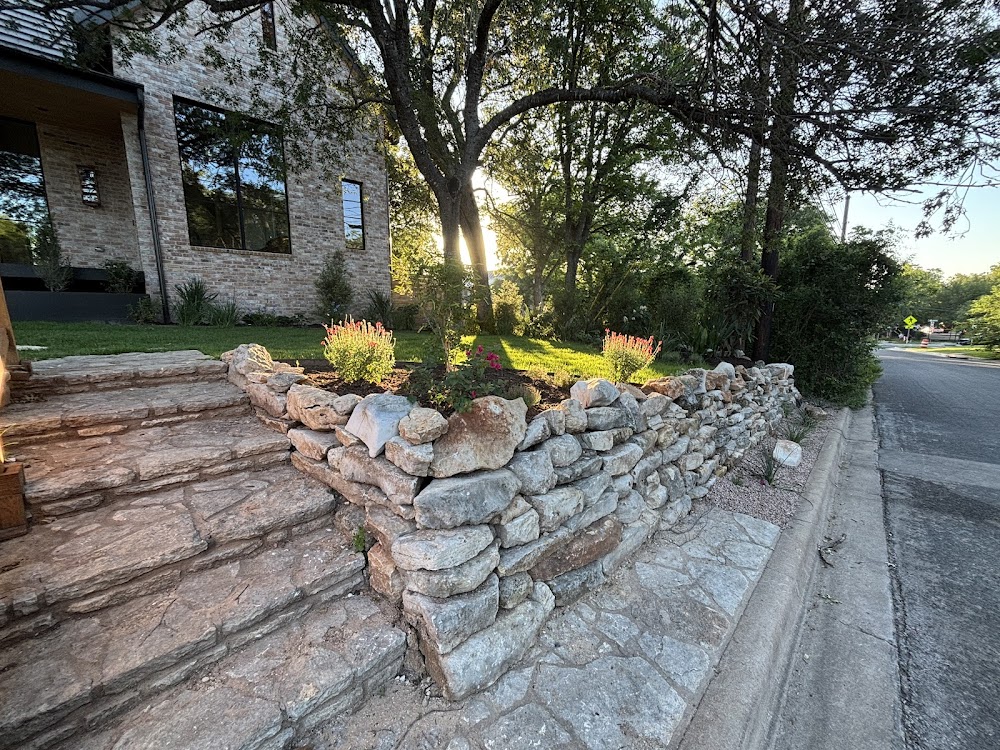
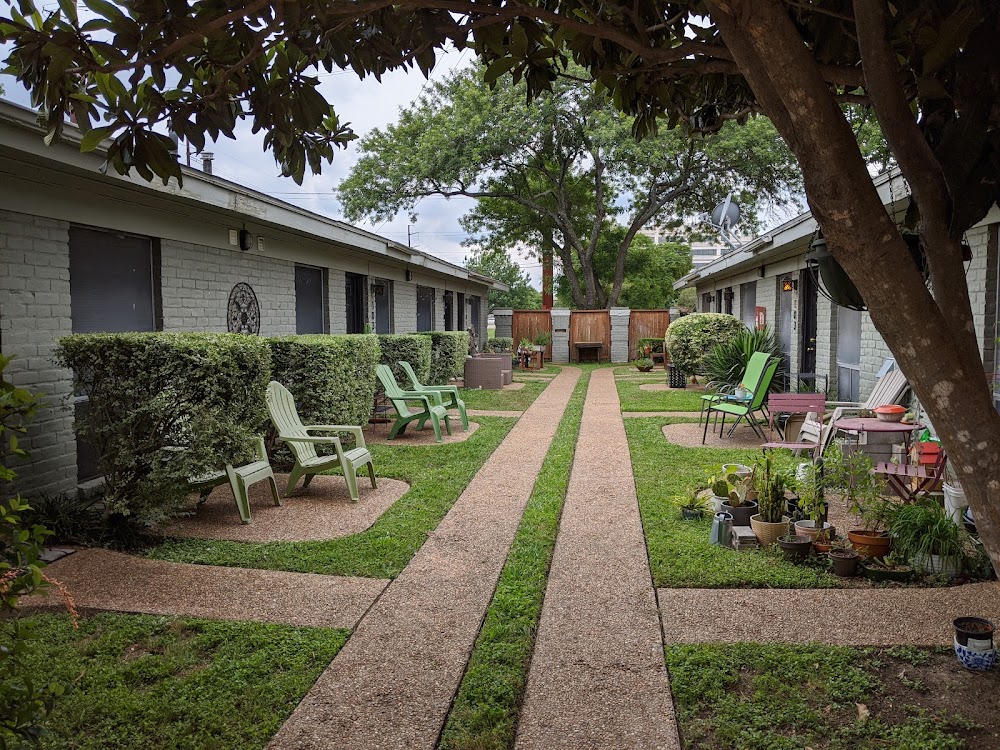
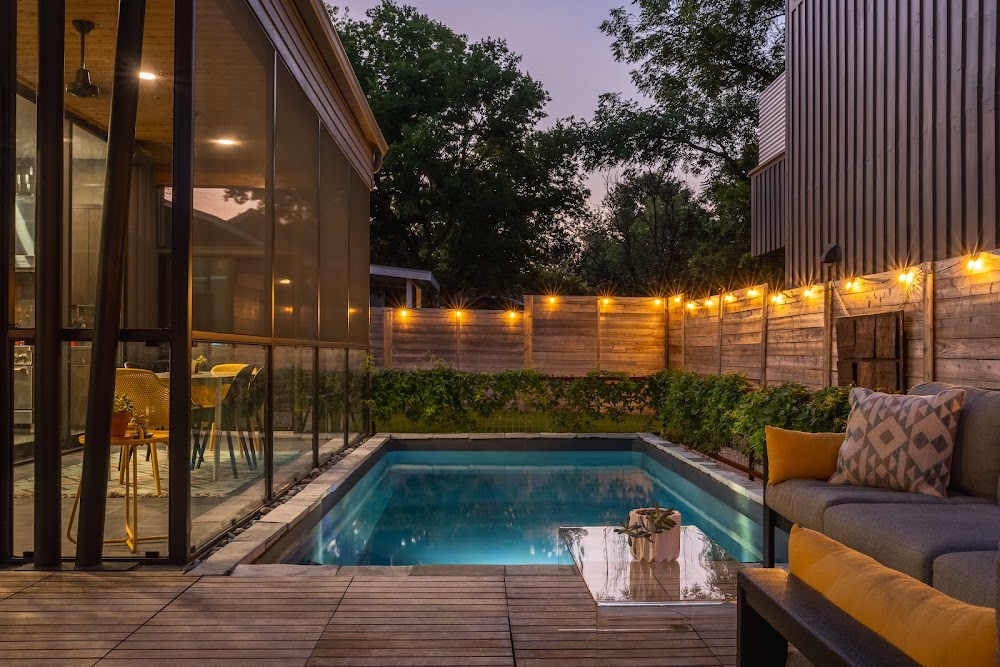
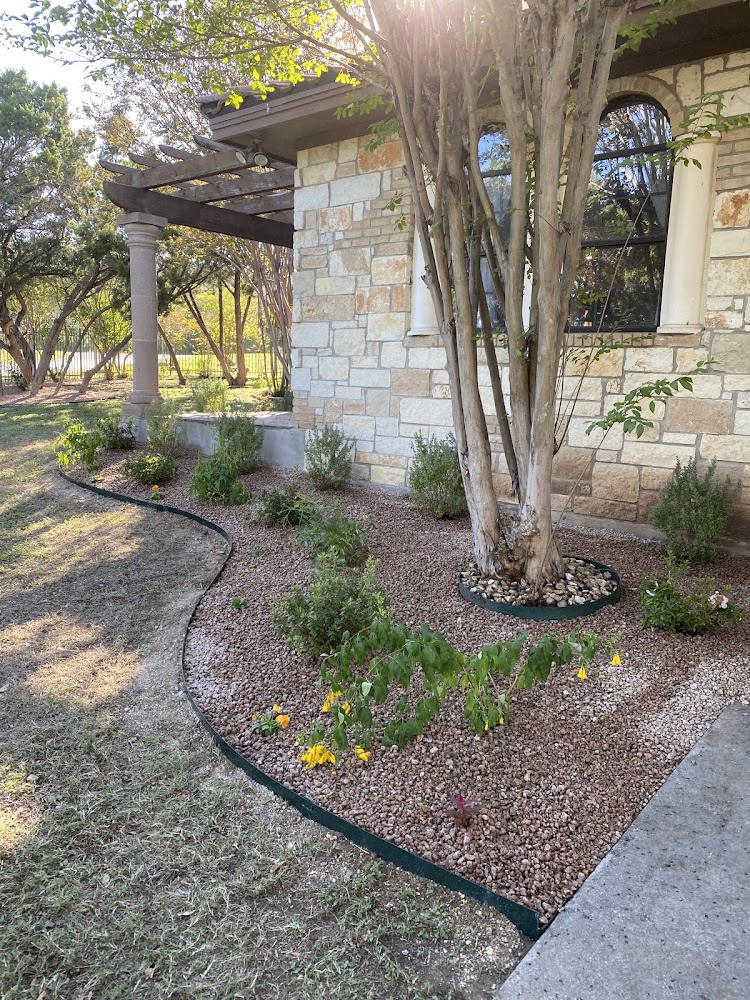
Hardscaping covers the built, non-plant parts of a yard: patios, walkways, retaining walls, fire pits, outdoor kitchens, driveways, and pool decking. In Austin, that usually means working with limestone, flagstone, pavers, stamped or stained concrete, and sometimes decomposed granite for paths. Given the region's clay-heavy soil and occasional heavy rains, drainage and base prep matter as much as the finished surface. We're tracking 56 hardscaping and patio businesses in the Austin area, ranging from small crews that specialize in dry-laid stone patios to full design-build outfits that handle pools, pergolas, and outdoor kitchens as one project.
When comparing contractors, look past the finished photos and ask about base depth and compaction, whether they use polymeric sand or mortar joints, how they handle grading away from the foundation, and who pulls permits for retaining walls over a certain height or for electrical and gas lines on outdoor kitchens. Ask for addresses of past jobs at least two or three years old, since that's when poor base work starts to show as settling, cracking, or heaving after freeze-thaw cycles.
Our ranked guide to Austin hardscaping and patio companies scores each business on review consistency, licensing and insurance, project scope, and responsiveness. Full detail on how we weigh those factors is on our methodology page.
All hardscaping & patios, by score
56 businesses. Filter and sort below, or open the full map view.
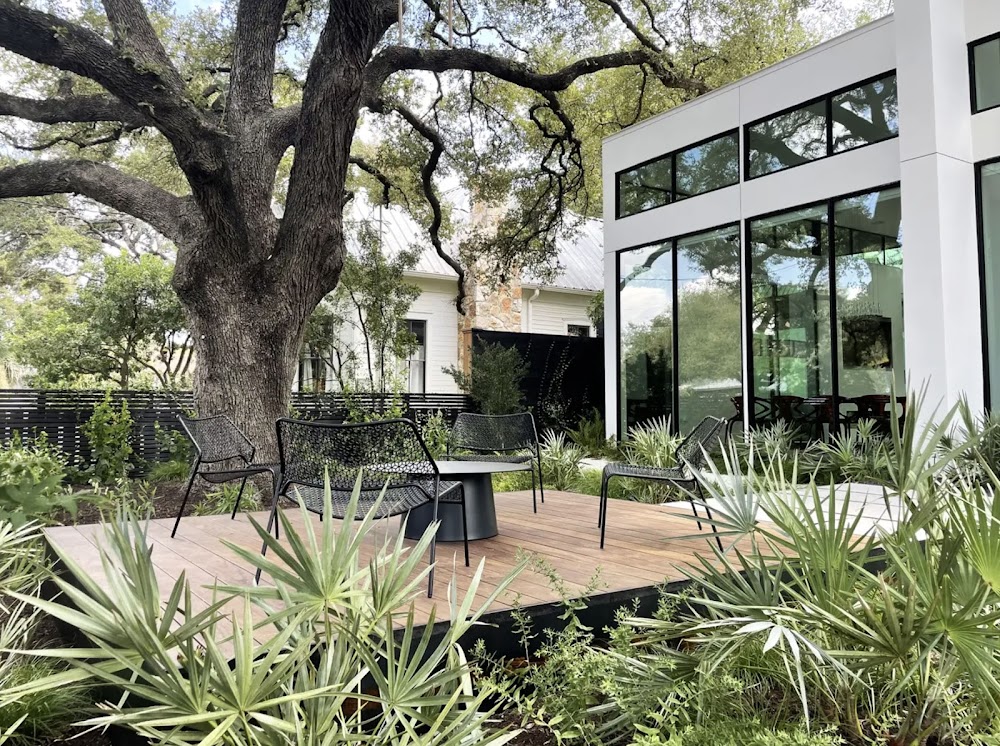
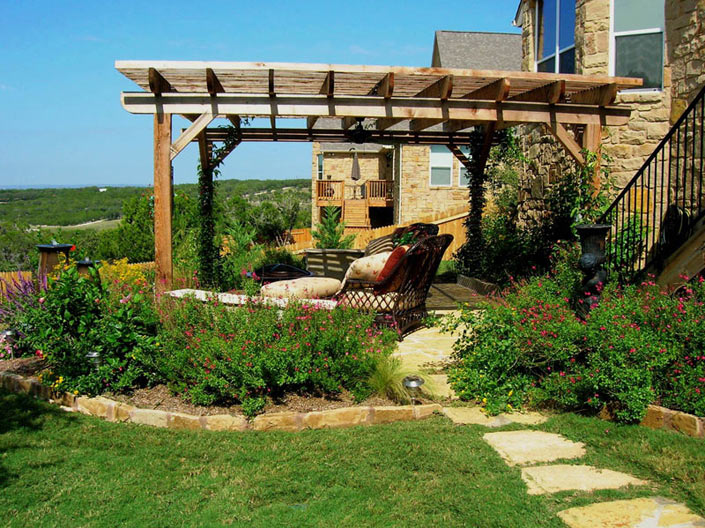
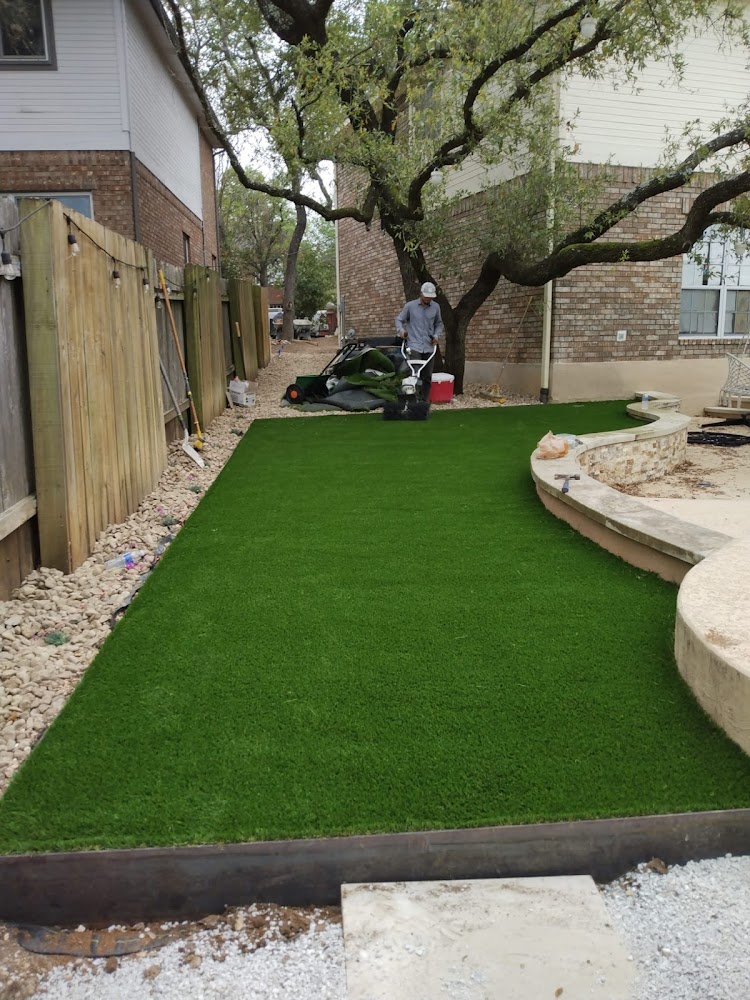
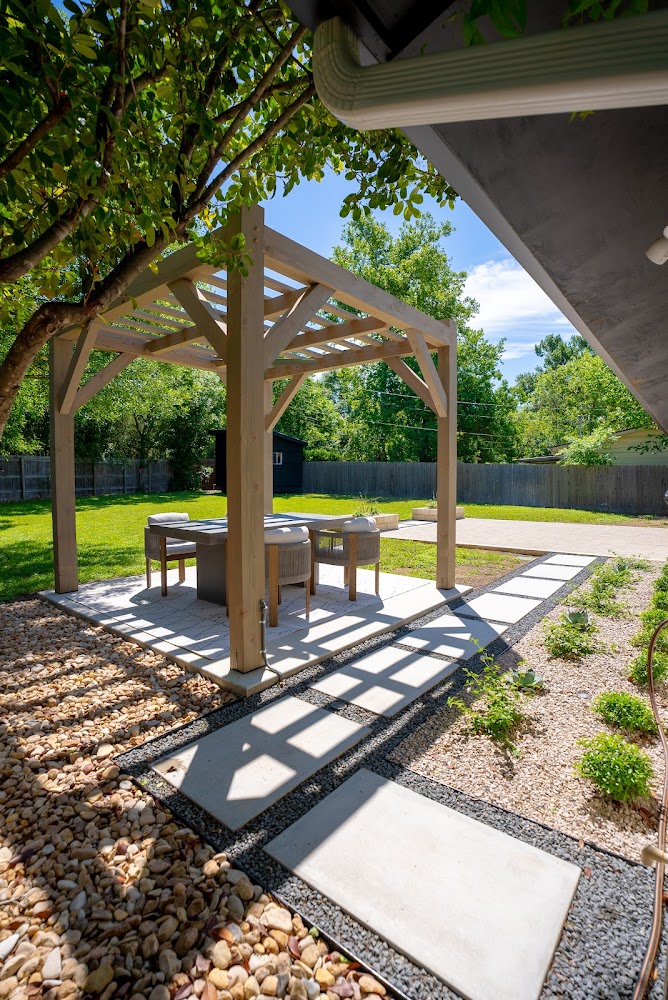
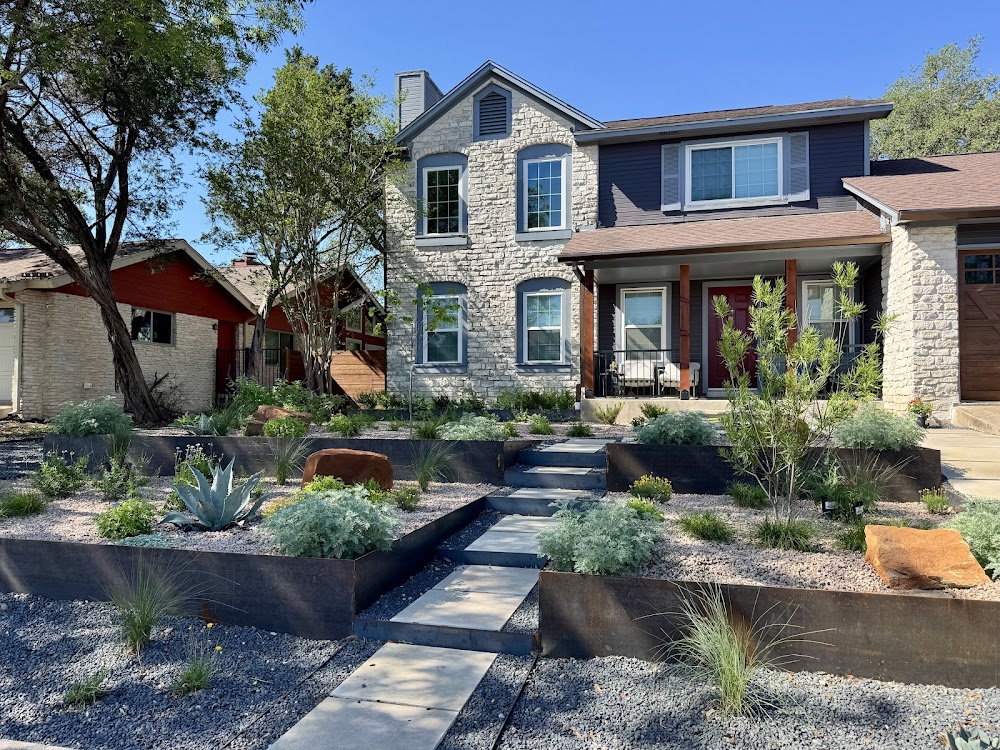
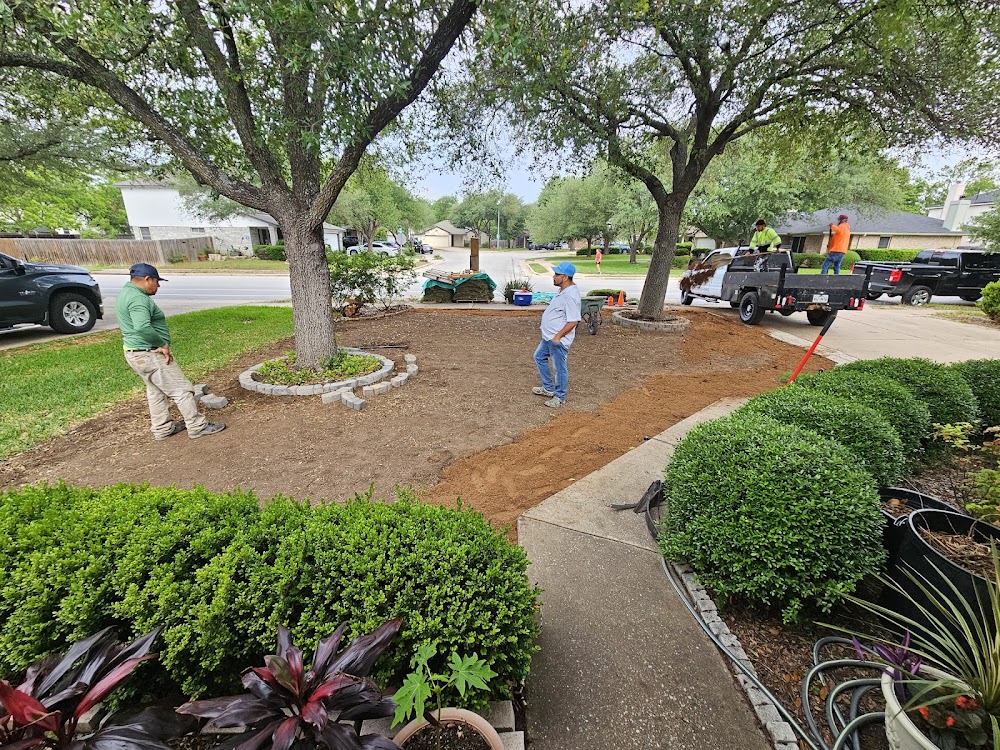
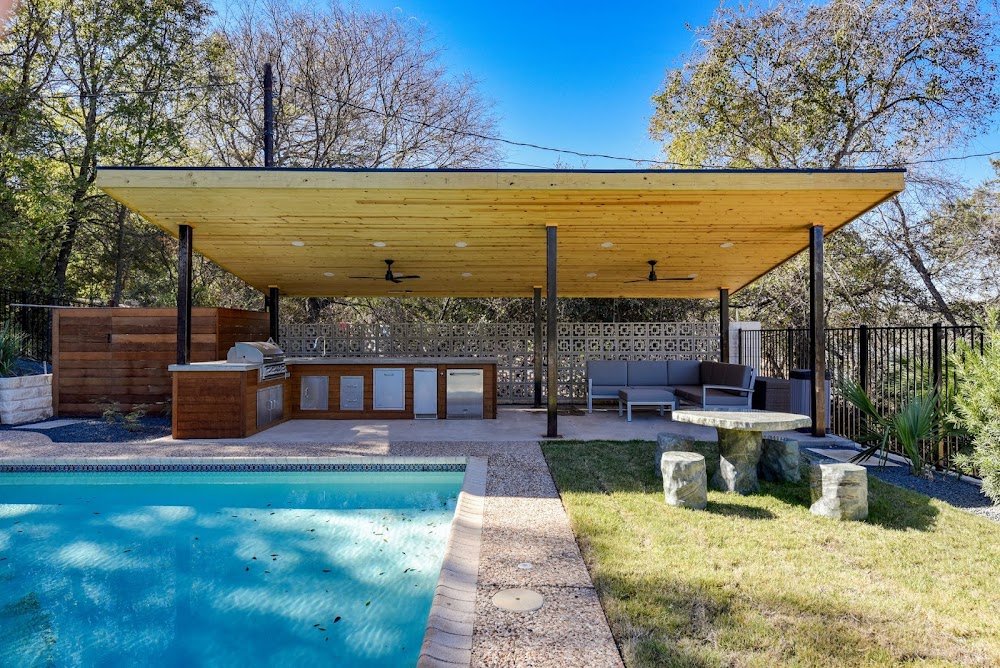
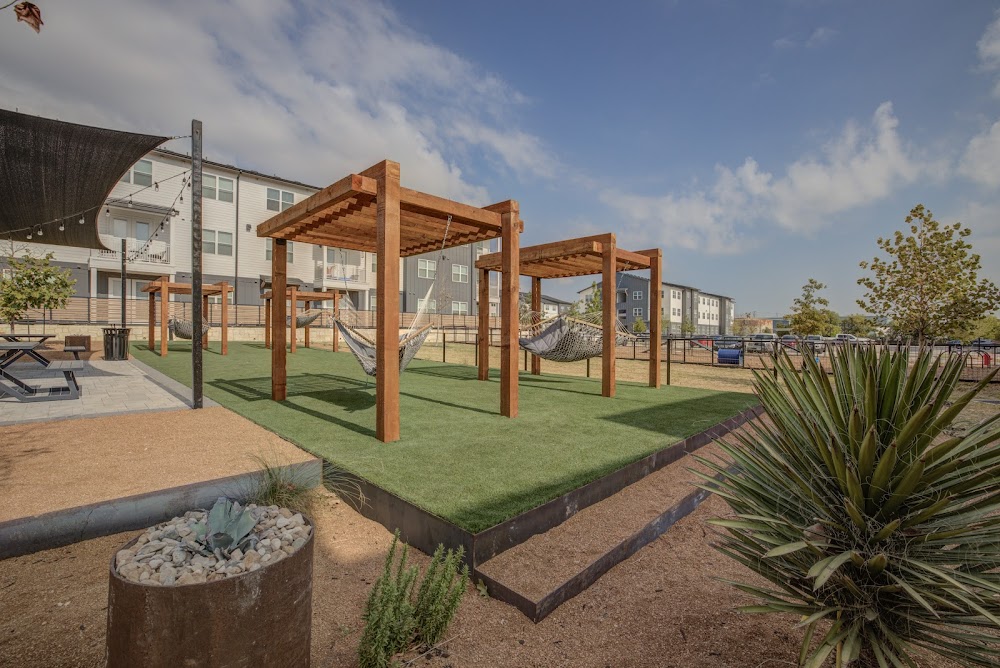
Common questions about hardscaping & patios
- How much does a patio cost in Austin?
- A basic gravel or decomposed granite patio can run a few dollars per square foot in materials plus labor, while a flagstone or paver patio with a mortar or polymeric sand base typically lands in the mid teens to low thirties per square foot depending on stone choice and site prep. Retaining walls, outdoor kitchens, and permitting push costs higher, and steep or rocky lots in the Hill Country add excavation costs.
- How often does hardscaping need repair or replacement?
- Well-built stone or paver patios with proper base compaction can last 20 to 30 years with only occasional joint sand refresh or releveling of a few stones. Poured concrete patios can crack sooner in Austin's expansive clay soil if the base wasn't properly prepared, sometimes within 5 to 10 years.
- What should I expect during a hardscaping project?
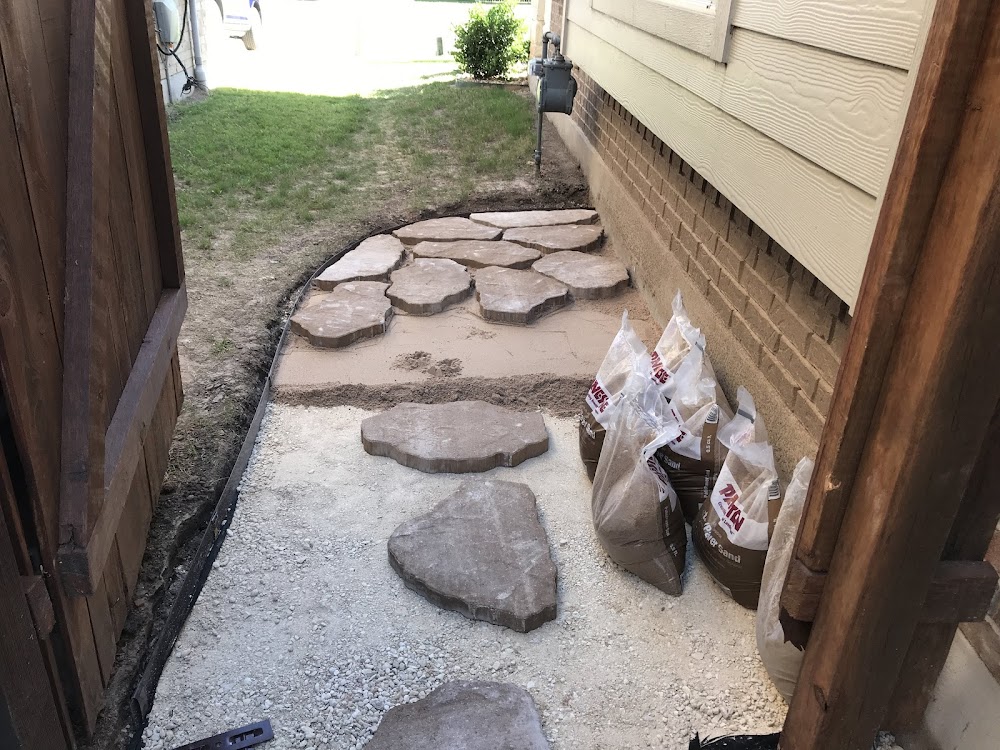
- Expect an initial site visit and grading assessment, excavation and base compaction (often the longest part of the job), then setting the stone or pavers, and finally joint filling and sealing. Weather delays are common in spring, and larger projects involving walls or gas lines may need a permit and inspection before final payment.
- How can I judge the quality of a hardscaping contractor's work?
- Check that patios slope slightly away from the house (roughly a quarter inch per foot) for drainage, look for tight, even joints without wide gaps or lippage between pavers, and ask what base material and depth they use under the surface. A contractor who can explain their compaction process in detail is usually more trustworthy than one who only talks about stone selection.